Amsterdam is one of Europe's great museum cities, but the useful question is not how many museums you can collect in a weekend. It is which two or three deserve your limited attention. The city ranges from world-scale art institutions to tiny canal-house collections, social-history museums and highly specific specialist venues. This guide is a decision tool: choose by interest, booking difficulty, energy and location rather than fame alone.
Rijksmuseum for the broadest Dutch art/history experience; Van Gogh Museum if Van Gogh is the main reason you came; Anne Frank House for a place-based historical experience rather than an art museum. They are not substitutes for one another.
Rijksmuseum: best all-round first choice
The Rijksmuseum is the strongest single museum for understanding Dutch art and material culture across centuries. It rewards a selective plan more than an attempt to see every room. Pick the works, periods or departments you care about, then leave space to stop when something unexpected catches you. See our full Rijksmuseum guide for visit strategy.
Van Gogh Museum: focused, popular and easier to scope
The Van Gogh Museum tells a far more concentrated story, following the artist's development through paintings, drawings and letters alongside contextual works. That focus makes it easier to understand in one visit than the Rijksmuseum, but popularity means you should treat ticket availability seriously. Our Van Gogh Museum guide covers the practical planning.
Anne Frank House: a historic site, not a conventional museum day
The Anne Frank House is emotionally and physically different from Museumplein. You move through the actual building and preserved spaces connected to the hiding period, with interpretation around them. Normal tickets are timed and sold online; do not build a trip around buying one at the door. The dedicated Anne Frank House guide explains current booking and access considerations.
Stedelijk Museum: modern and contemporary art
Choose the Stedelijk when 20th-century and contemporary art, design and visual culture interest you more than Old Masters. Its Museumplein location makes it easy to pair geographically with the Rijksmuseum or Van Gogh Museum, but that does not mean you should automatically do three museums in one day. Two serious museum visits is already a demanding day for most people.
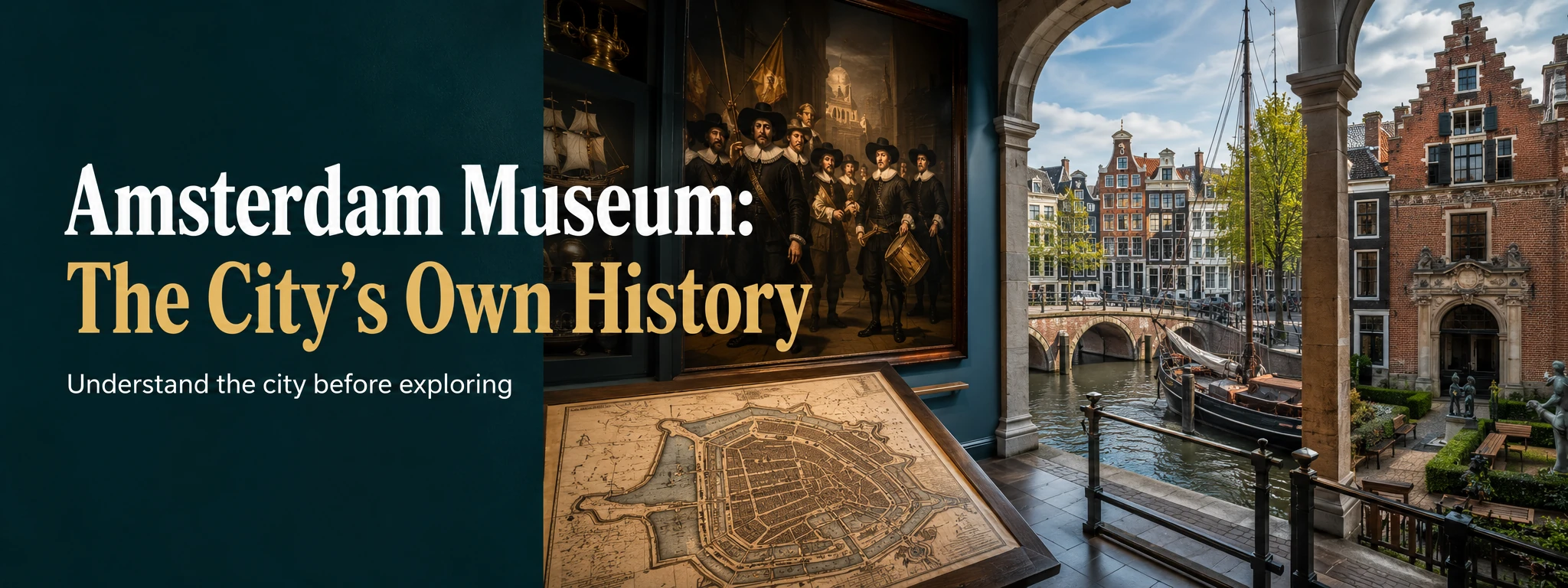
Amsterdam Museum: the city's own story
The Amsterdam Museum is for visitors who want the city itself explained — government, trade, migration, growth, conflict and changing identity — rather than another major art collection. Its exhibitions and locations have changed during the museum's long renovation/redevelopment period, so verify the current venue and programme directly before setting out rather than relying on an old address in a guidebook.
Rembrandt House: strongest for process and place
The Rembrandt House adds something the Rijksmuseum cannot: the scale and feel of the artist's working environment. It is a good second museum for travellers who have already seen major Rembrandt paintings and want to understand workshop practice, printmaking and domestic context.
NEMO and family-oriented museums
Families should not feel obliged to drag children through an adult highlights list. NEMO Science Museum is deliberately interactive and can anchor a family day far better than stacking formal art museums. Maritime, science and specialist venues can also work well depending on age and interests. The right family museum is the one that preserves everyone's curiosity for the rest of the day.
Smaller museums can be the best second choice
After one blockbuster, a smaller canal-house or specialist museum often gives a better contrast than another huge institution. The advantage is not just shorter queues: the subject is usually clearer, the building itself may be part of the experience, and you can still spend the afternoon outside. Browse the site's museum category rather than assuming the top three are the entire museum landscape.
How many museums fit into one day?
For most travellers, one major museum plus one small museum is a comfortable maximum. Two large museums can work for art-focused visitors, especially around Museumplein, but allow a proper meal and outdoor walk between them. Three major museums is usually a victory for the itinerary spreadsheet rather than the person taking the trip.
Book in the right order
Start with the attraction that has the least flexible availability. The Anne Frank House should be treated as a timed-ticket constraint. The Van Gogh Museum can also require advance planning. The Rijksmuseum is large enough that choosing an entry time still helps shape the day. Once those anchors are fixed, add smaller venues around them instead of pre-buying everything simultaneously.
Do you need a museum pass?
Not necessarily. The I amsterdam City Card, Museumkaart and individual-ticket route serve different travellers, and headline attractions do not all participate in the same way. Our museum passes guide walks through the current inclusions, reservation exceptions and break-even logic. Check the pass's official site again immediately before purchase because participation can change.
Accessibility can influence the best museum choice
Large modernised museums are among the easier attractions in Amsterdam for wheelchair users, but individual facilities and companion policies differ. I amsterdam currently highlights wheelchair-accessible options including major Museumplein venues. Use our Amsterdam accessibility guide, then confirm the specific museum's own current access page.
Museumplein strategy
Rijksmuseum, Van Gogh Museum and Stedelijk sit close together, which is useful but also tempts people to overbook. A better pattern is one major museum in the morning, lunch and a walk, then a second museum only if you genuinely want it. If the weather is good, De Pijp is close enough to turn the second half of the day into a neighbourhood rather than another queue.
Jordaan and central museum strategy
The Anne Frank House pairs naturally with the Jordaan and western canal belt, not with a rushed cross-city sprint to Museumplein. The Rembrandt House fits better with the historic eastern centre. Grouping by neighbourhood improves the day far more than shaving a few minutes from individual museum visits.
Photography, bags and security
Rules vary by museum and sometimes by exhibition. Assume that large bags may need to be stored and that flash, tripods or filming can be restricted. Check the museum's visitor rules before arriving with specialist camera equipment or luggage. If you are between accommodation and the airport, store cases rather than expecting every museum cloakroom to accept them.
When to visit
The first timed slot can make a popular museum feel calmer, but there is no universal magic hour. School holidays, blockbuster exhibitions and wet weather can change demand dramatically. Book the must-see first, then let the rest of the day stay flexible. On a three-day trip, it is usually better to spread museums across two days than to exhaust yourself in one indoor marathon.
A simple museum plan by traveller type
- First-time generalist: Rijksmuseum + one smaller museum.
- Van Gogh fan: Van Gogh Museum + a contrasting canal-house or city-history venue.
- History-focused: Anne Frank House + Amsterdam/Rembrandt/social-history material, depending on current exhibitions.
- Modern art: Stedelijk + one specialist contemporary/design venue.
- Family: NEMO as the anchor, then add only what the children genuinely want.
Official sources before you book
Use the museum's own website for tickets and accessibility, and I amsterdam's museum listings to discover current exhibitions and alternatives. Do not buy a “museum pass” from a reseller until you have checked the attraction list against the official product.
This guide is kept accurate and up to date, with ticket and exhibition details checked at source where they materially affect planning. Last updated: September 2026 — written by the Totally Amsterdam Team.